
Right now we are witnessing a deeply worrying moment, because of the ongoing federal government shutdown, the Supplemental Nutrition Assistance Program (SNAP) is facing a halt in funding that puts millions of Americans at risk of going hungry.
Why It Matters
Food support programs like SNAP are a lifeline for families already struggling. According to USDA data:
- Approximately 1 in 8 Americans rely on SNAP.
- If payments stop or are delayed, families will face impossible choices: groceries or rent, medicine or utilities, one meal or none.
- The ripple effects go far beyond individual households: local food retailers, community kitchens, soup-kitchens, and food banks all rely on the circulation of SNAP funds. A pause in benefits means a hit to the broader community economy as well.
How can we show up as a community?
When institutional safety nets falter, community safety nets matter more than ever. Here’s what we can do:
1. Raise Awareness
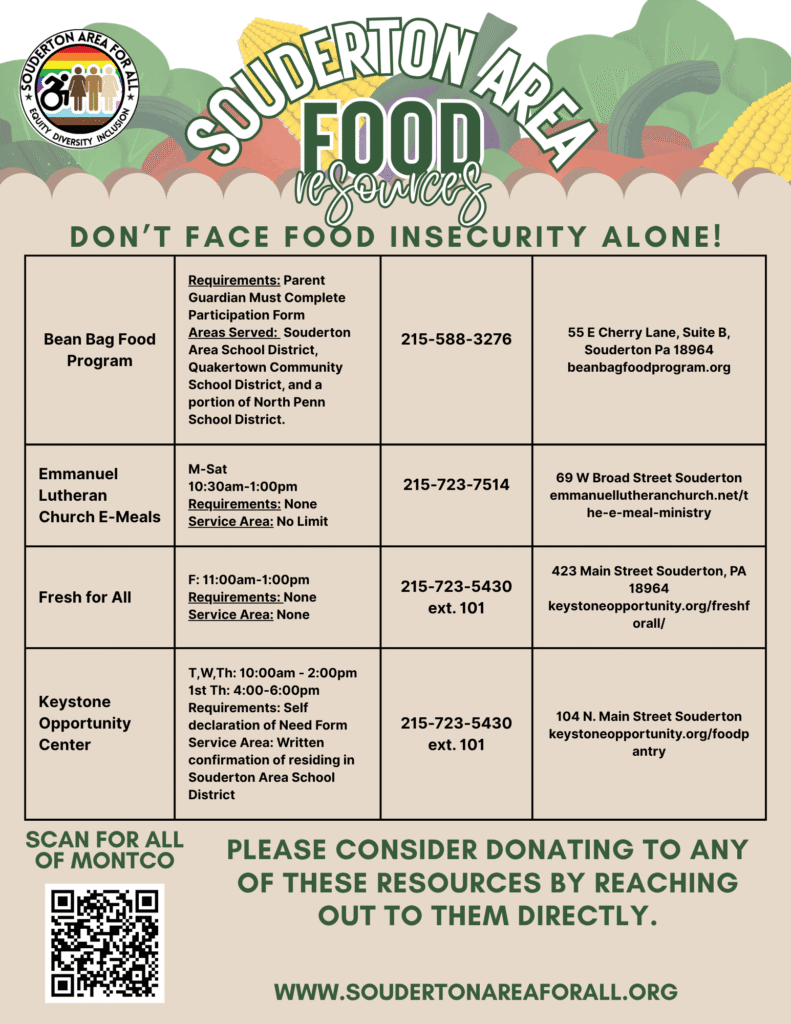
- Share clear, compassionate information: People need to know that help is needed and that they’re not alone, you can circulate this flyer to help our local community.
- Use local channels (church bulletins, social-media, community newsletters) to highlight the risk of a SNAP funding pause and explain alternatives (food banks, pantries, local mutual-aid networks).
- Encourage those who are able, to donate extra groceries, gift-cards, or funds to local food-assistance organizations like the ones listed in this flyer.
2. Strengthen Local Food Access
- Partner with local food banks, pantries, and ministries to identify who may be newly vulnerable if SNAP benefits drop.
- Organize community food-drives, pop-up distribution events, or volunteer shifts at local pantries.
- Offer outreach to families who may not realize the risk: elders, people with disabilities, single-parent households, the newly unemployed.
3. Foster Solidarity & Dignity
- Let’s avoid “us vs them” framing. Food insecurity affects neighbors, coworkers, friends. It isn’t a moral failing.
- Provide flexible solutions: helping navigate paperwork, understanding eligibility, or connecting folks to community resources.
- Build trusting relationships: we often do our best work not as distant helpers but as neighbors showing up.
Why Now?
This is always something we should be focusing on, however, we only have a small window of opportunity to mobilize before November’s potential disruption. The pause won’t just affect one paycheck, it could ripple into weeks of uncertainty for families.
Feeding one another is one of the most basic expressions of community care.
Do what you can by spreading this flyer to those that may need it, donating your time, money or food to any of these resources and check on your neighbors!
For a more comprehensive list of resources in the entire Montgomery County area, please visit:
https://www.montcoantihunger.org